Fight Scenes Filed in Triplicate: How Blockbuster Action Got Buried Under Corporate Risk Management
Photo: movie stunt coordinator film set action sequence behind the scenes, via juksun.com
There's a moment in almost every major superhero film from the last five years where something that should be thrilling just... isn't. A fist connects. A body flies. An explosion blooms in the background. And you feel absolutely nothing. Not because the stakes aren't technically present. Not because the visual effects team didn't earn their overtime. But because the whole sequence carries the unmistakable energy of a workplace safety training video — competent, comprehensive, and utterly devoid of the possibility that anything could actually go wrong.
Welcome to the era of liability choreography. Pull up a chair. Try not to get hurt.
The Stunt Double Disappeared. So Did the Tension.
Here's a thing that used to happen in movies: actors got close to actual danger. Not recklessly — Hollywood has always had safety protocols — but close enough that a camera could feel it. Jackie Chan broke bones for our entertainment. Tom Cruise dangled from real aircraft. Even the original Mission: Impossible films had sequences where you could sense the weight of a human body doing something physically implausible in actual space.
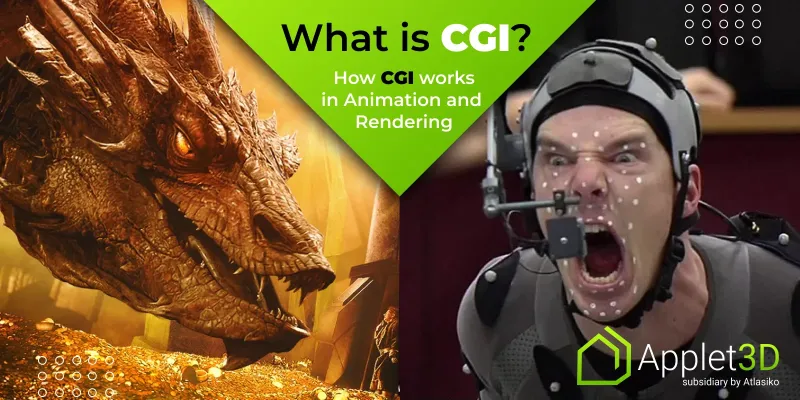
Now compare that to the average MCU fight sequence circa 2023, where the camera cuts every 1.4 seconds, the actors' faces are carefully isolated from any moment of genuine physical consequence, and the entire thing is assembled in post-production like a particularly aggressive PowerPoint presentation. The stunt performers — when they're used at all, and often they're not, because performance capture has eaten that entire profession — are photographed from distances that might as well be satellite imagery.
This isn't an accident. This is corporate architecture expressing itself through cinematography.
Coverage-Heavy Is Just Another Word for Consequence-Free
Film school teaches you that coverage is your safety net. Shoot enough angles and you can fix anything in the edit. What nobody mentions is that when you apply that philosophy to action sequences, you don't just fix problems — you eliminate the entire possibility of anything feeling dangerous.
The modern blockbuster action scene is built on coverage the way a legal document is built on clauses. Every contingency addressed. Every liability anticipated. Every angle captured so that no single moment has to carry actual weight. You want a punch to land with impact? That requires commitment — from the camera, from the performer, from the edit. It requires holding on a shot long enough for the audience's nervous system to register what just happened. Studios don't do that anymore, because holding on a shot is a risk. Something might look wrong. An actor's face might betray uncertainty. The wire rig might be visible.
Better to cut. Always cut. Cut until the sequence is a strobe light of motion and nobody can tell whether they witnessed something or just experienced the cinematic equivalent of a terms-and-conditions scroll.
The Insurance Adjuster as Auteur
This is where it gets genuinely interesting, and by interesting we mean depressing. The forces shaping modern action choreography aren't just directors playing it safe or studios being creatively timid. There's an entire infrastructure of risk management baked into how these films get made.
Production insurance on a $250 million superhero film is a document that would make your tax attorney weep. Injury clauses, stunt approval processes, CGI substitution requirements — the moment a production reaches a certain budget threshold, the insurance underwriters effectively become uncredited producers with veto power over anything that looks like it might result in a workers' comp claim. Practical stunts cost more to insure than digital ones. Extended fight sequences with real contact require medical supervision, safety coordinators, and approval chains that add days to a shooting schedule.
So studios make the rational financial decision: digitize it, cover it, and never let a camera linger long enough for anyone to notice that nothing real is happening. The action sequence becomes a risk mitigation strategy wearing a cape.
The Audience Knows. They Just Can't Name It.
Here's the cruel irony. Audiences aren't stupid. They can feel the difference between action that carries physical truth and action that was assembled from safety-approved components. They might not articulate it as "this film's stunt coordinator was operating under an insurance mandate that prohibited full-contact choreography" — but they'll tell you the movie felt flat. The fights felt weightless. They checked their phone during the climax.
This is how you end up with a $200 million film that everyone agrees looks impressive and nobody can remember three weeks later. The action wasn't designed to be remembered. It was designed to be completed without incident.
Contrast this with something like The Raid, a 2011 Indonesian action film made for approximately the craft services budget of a mid-tier Marvel production. Every hit in that movie lands because the camera is there, because the performers are actually doing the thing, because the edit trusts the choreography enough to let shots breathe. You feel the exhaustion. You feel the escalation. You feel, at multiple points, genuinely concerned about fictional characters you met forty minutes ago.
That feeling? That's what insurance killed.
Practical Isn't Nostalgic. It's Just Cinema.
The reflexive defense of modern blockbuster action is that practical filmmaking is nostalgia — a romanticization of a rougher era when people got hurt on set and we shouldn't celebrate that. Which is a genuine point, wrapped around a false binary. The choice was never between "reckless danger" and "digitally safe blandness." There's an entire spectrum of practical, grounded, physically committed filmmaking that doesn't require anyone to actually get hurt.
George Miller made Fury Road in actual desert with actual vehicles and actual performers and actual fire. Nobody died. The film is one of the most viscerally alive action movies of the last twenty years. The difference isn't safety protocols — Fury Road had plenty of those. The difference is that the production was philosophically committed to physical reality as a creative value, not just a liability category to be managed.
When studios treat "nobody gets hurt" as the ceiling of their ambition rather than the floor, you get fight scenes that feel like they were filmed inside a human resources manual. Technically compliant. Completely inert.
Sign Here to Acknowledge You Felt Nothing
The superhero genre built its entire cultural dominance on the promise of spectacle — on the idea that the screen could show you something your body would respond to before your brain had time to process it. That promise is being quietly retired, clause by clause, cut by cut, insurance filing by insurance filing.
What we're left with is action cinema that has successfully eliminated risk from its vocabulary — including the risk of actually making you feel something. The consent form has been signed. The liability has been waived. The fight scene will proceed as scheduled.
You just won't remember it by the time you hit the parking lot.