Heroes With Homework: How Superhero Films Replaced Moral Reckoning With a Damage Report
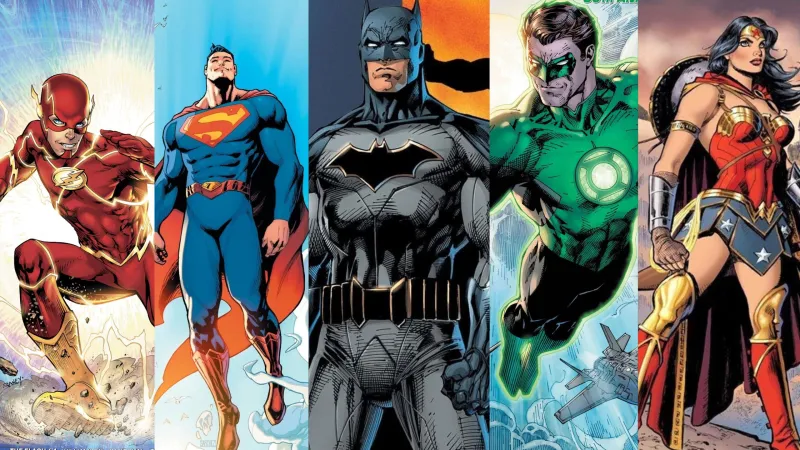
Photo: superhero destruction city aftermath rubble serious, via comicyears.com
Somewhere between The Avengers leveling Midtown Manhattan and Batman v Superman reducing Metropolis to a smoking ruin, Hollywood's superhero machine had a quiet crisis of conscience. The studios looked at all that glorious, consequence-free destruction and thought: we should address this. Noble instinct. Genuinely. Accountability matters. Consequences are dramatically interesting.
What they built instead was a bureaucratic hellscape where the most powerful beings on Earth spend twenty minutes in a conference room explaining themselves to a guy in a blazer.
Welcome to the Liability Cinematic Universe.
When "Collateral Damage" Became a Line Item
Let's be precise about what happened here, because it didn't happen all at once. It crept in. Captain America: Civil War gave us the Sokovia Accords — a genuinely compelling premise about governmental oversight of enhanced individuals. Real dramatic potential. The film even manages to use it meaningfully for about forty-five minutes before it collapses into an airport brawl that apparently has no legal consequences whatsoever.
But the template was set. If your hero destroys a city, you must now show a Senate hearing. If someone gets hurt during a fight, a character must deliver a solemn monologue about it over coffee. If a building falls, we need three scenes establishing that the building was probably insured.
The result is a genre that has confused acknowledging ethical problems with exploring them. There's a massive difference between a story that sits with the horror of collateral damage — that makes you feel the weight of a civilian caught in a superhero's wake — and a story that just makes sure everyone knows the hero feels bad about it before the next action sequence. One is moral complexity. The other is a disclaimer.
The Spreadsheet Where the Soul Used to Be
Here's the thing about turning destruction into a liability audit: it actually makes the moral stakes smaller, not larger. When the problem with leveling a city block becomes "the optics are bad" or "the UN is upset," you've reduced human suffering to a PR issue. The civilians who died aren't people anymore — they're a statistic in a report that justifies the next plot point.
Compare this to what the best superhero comics have done for decades. Chris Claremont's X-Men didn't just acknowledge that mutants were feared and hunted — the stories lived inside that fear, made you feel the specific texture of being considered a threat simply for existing. Frank Miller's Daredevil didn't file incident reports about Hell's Kitchen; the neighborhood's decay was a living, breathing moral weight that shaped every choice Matt Murdock made.
The films have taken that tradition of genuine ethical wrestling and replaced it with what might generously be called procedural empathy. We see the form. We see the character sign it. We move on.
Realism as a Dodge
The cruelest irony is that the studios genuinely believe this constitutes maturity. The logic goes: real-world consequences make our fantasy grounded. And they're not entirely wrong — consequences do matter. But there's a sleight of hand happening. By making the consequences administrative rather than human, the films get credit for seriousness without having to do the actual difficult work of making you care about the people in the rubble.
This is realism deployed as armor. You can't accuse a film of being irresponsible if it literally contains a scene where someone apologizes to Congress. The liability is covered. The audience can relax. Nobody has to feel genuinely disturbed by what just happened on screen.
What gets lost is the story that should live in that space — the one about what it actually costs to be a person capable of that kind of destruction, and what it means to keep choosing to use that power anyway. That's a story worth telling. The damage report is not.
The Sokovia Protocol for Avoiding Your Own Point
Look at how WandaVision and Doctor Strange in the Multiverse of Madness handle Wanda Maximoff's arc. The first show does something genuinely brave: it sits inside Wanda's grief, makes her the villain of her own story without fully condemning her, and leaves you in genuine moral discomfort. It's the rare MCU property that earns its emotional complexity.
Then Multiverse of Madness arrives and essentially turns her into a monster so that the plot has an antagonist, dispatches her in a way designed to close the liability rather than complete the arc, and moves on. The ethical questions raised by WandaVision — about power, grief, consent, and what we owe the people we hurt — get answered with a collapsing building.
This is the pattern. Raise a genuine moral question. Bureaucratize it. Resolve it with spectacle. Repeat.
What It Would Actually Take
The fix isn't complicated, which makes the studios' failure to apply it genuinely baffling. You don't need fewer consequences — you need consequences that land on people rather than institutions. You need a story that makes the audience sit with the cost of power rather than reassuring them that the proper forms have been filed.
Imagine a superhero film that spent its third act not in a final battle but in the aftermath of one — in the specific grief of a family whose neighborhood was destroyed, filtered through the hero's dawning understanding that good intentions don't clean up rubble. That's not an anti-superhero film. That's a film with actual stakes.
Instead, we get another hearing room. Another senator with reading glasses. Another hero explaining themselves to a committee that will ultimately do nothing, because the plot requires them to be free for the sequel.
The Consent Form Cinematic Universe marches on. The damage has been assessed. The moral complexity has been tabled pending further review. Please initial here, and here, and here.