The Guy With the Clipboard Is Carrying the Whole Movie: How Marvel's Sidekicks Became the Real Stars

Somewhere between the third act explosion and the post-credits scene, Happy Hogan became the most emotionally coherent person in the Marvel Cinematic Universe. This is not a compliment to Happy Hogan. This is an indictment of every superhero Marvel has built a franchise around.
We need to talk about what happens when the person answering the phone is more compelling than the person saving the world.
The Spreadsheet Problem
Let's establish the crime scene. Pepper Potts spends three Iron Man films being demonstrably correct about everything. She manages a global weapons-turned-clean-energy corporation, keeps Tony Stark from self-destructing on a Tuesday, and still finds time to have a personality. Tony, meanwhile, gets to be charismatic and broken and brilliant in ways the film frames as endearing. Pepper gets to be right. And somehow, in the accounting of the MCU's emotional ledger, being right reads as more human than being spectacular.
Ned Leeds sits in his bedroom building a LEGO Death Star and becomes Peter Parker's moral compass, his logistical support, and — in a franchise that struggles to make its protagonists feel grounded — the single most relatable presence in the entire Spider-Man trilogy. He has a personality that exists independent of the plot's needs. That is rarer than it sounds.
Happy Hogan, a man whose entire narrative function was originally to be a punchline in a suit, became the emotional throughline of Spider-Man: Far From Home. His grief over Tony Stark hit harder than anything in Avengers: Endgame because it was small. It was a guy who loved someone and now had to figure out what to do with that. No infinity gauntlets required.
Why Supporting Characters Get to Be People
Here's the dirty structural secret that Marvel's writers' rooms have been accidentally exposing for fifteen years: heroes in franchise filmmaking are functions. They exist to carry plot from Point A to Point B, to deliver the line that sells the trailer, to embody the theme the studio focus-grouped into the script. They are load-bearing walls. You cannot mess with them.
Supporting characters, though? They have room. Nobody is protecting the Ned Leeds brand. Nobody is running a Pepper Potts toy line that requires her to remain aspirational and slightly vague. These characters can have opinions. They can be petty, or scared, or wrong about something minor without it threatening the franchise's quarterly earnings.
The result is a peculiar inversion. The person with the superpower is the least human person in the room. The person with the airport pickup schedule is the one you'd actually want to have a conversation with.
The Hollow Center
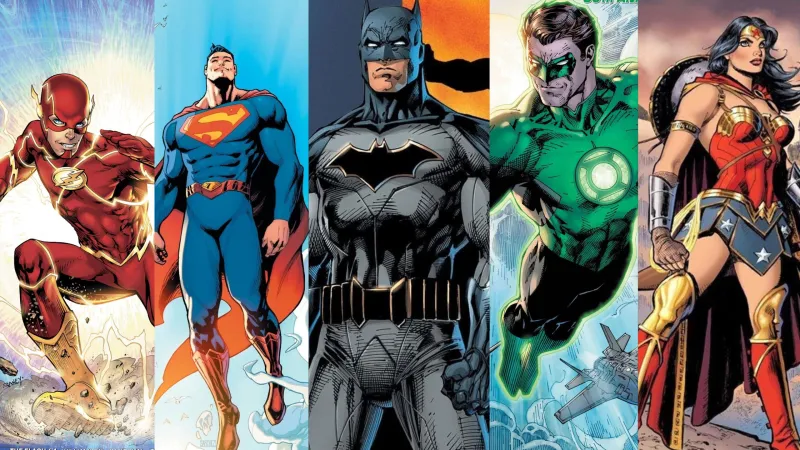
This isn't just a Marvel problem, though Marvel has perfected the pathology. DC spent years trying to make Bruce Wayne feel like a person and kept running into the same wall: Batman is a concept more than a character, and concepts don't have interiority. What Justice League accidentally gave us was a Jeremy Irons Alfred who seemed genuinely tired and genuinely fond and genuinely exasperated, while Ben Affleck's Batman stood in frame looking like a man posing for a monument.
The mentors, the handlers, the logistical support staff — these characters are written by people who aren't terrified of them. They arrive in the script without fifteen years of fan expectation attached. A writer can give Happy Hogan a weird thing about sandwiches or a complicated feeling about his job without triggering a Reddit meltdown. That freedom produces actual characterization.
Meanwhile, the hero has been committee-approved into a silhouette.
What This Tells Us About Modern Franchise Storytelling
The sidekick singularity — that moment when you realize the supporting cast is doing all the narrative heavy lifting — is a symptom of something worth diagnosing. Franchises have become so protective of their central IP that they've accidentally hollowed it out. The hero cannot be too flawed, too weird, too genuinely compromised, because the hero is the brand. And brands cannot afford to be interesting.
What's left is the people around the brand. The ones who get to react, and grieve, and be wrong, and grow in directions the plot didn't pre-approve. They become the connective tissue that makes audiences actually feel something. And then, in a development that should embarrass every executive in the room, they become the reason people show up.
There's a version of this that's almost beautiful — a franchise universe so large that its margins become the most honest part of it. But mostly it's just a structural failure dressed up in good casting.
The Fix Nobody Wants to Implement
The solution is obvious and the industry will absolutely refuse it: let your heroes be as messy and specific and human as the people standing behind them. Let Tony Stark be wrong in ways that cost him something real. Let Peter Parker fail in directions that aren't reversible. Let the protagonist carry the same weight of personhood that the show keeps accidentally giving to the guy driving the car.
Until then, we'll keep watching the sidekicks carry the emotional freight of billion-dollar franchises while the heroes pose on the poster. Happy Hogan deserves better. So do we.